

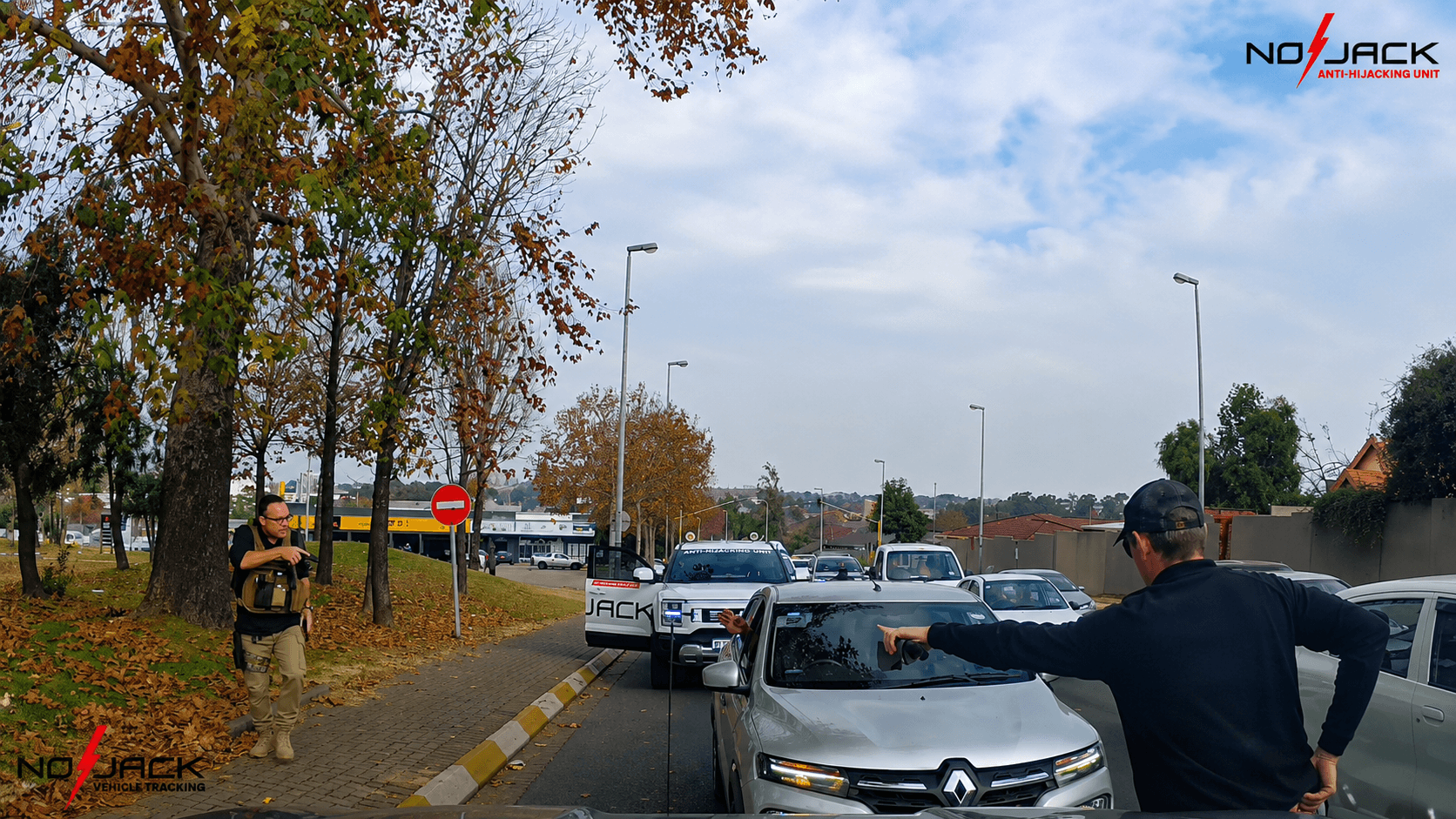
They wore the uniform. They counted on fear. And they picked the wrong victim.
Two former Gauteng Traffic Wardens — both already dismissed from the service — are behind bars after allegedly running a brazen extortion and robbery racket on the streets of Gauteng. They had no badge, no authority, and no right to stop anyone. What they had was a costume, a script, and a string of victims too frightened to push back. That ended the day they targeted the wrong household.
Predators in plain sight
Authority is the oldest disguise in the criminal playbook. A uniform, a confident tone, the threat of "the law" — for most people it is enough to freeze them on the spot. That instinct to comply is exactly what these two men allegedly weaponised, day after day.
According to information received, the suspects are former Gauteng Traffic Wardens who had already been dismissed from the service. Stripped of any lawful power, they kept the act going — and turned it on the people least able to fight back.
The alleged playbook
The pattern, as it has been described, was cold and deliberate:
Target the vulnerable. Legal immigrants and ordinary pedestrians — people unlikely to challenge anyone claiming to be law enforcement.
Manufacture fear. Victims were reportedly threatened with arrest, detention, deportation, and the confiscation of their passports or IDs — unless they paid.
Escalate to robbery. When threats were not enough, victims were allegedly forced into a vehicle and driven to ATMs, where cash was withdrawn straight from their bank accounts.
Make no mistake about what that last step is. Forcing a person into a car and driving them to an ATM is not an over-zealous "fine" — it is kidnapping and armed robbery, dressed up in a uniform. The vehicle turns a shakedown into an abduction.

The mistake that ended it
Every operation like this runs on one assumption: that the victims are isolated, frightened, and alone. That assumption is exactly what caught up with them.
The suspects allegedly made one critical error — they targeted the domestic worker of a NoJack team member. In an instant, a quiet, low-visibility racket had the wrong kind of attention: people with the resources, the contacts, and the resolve to act.
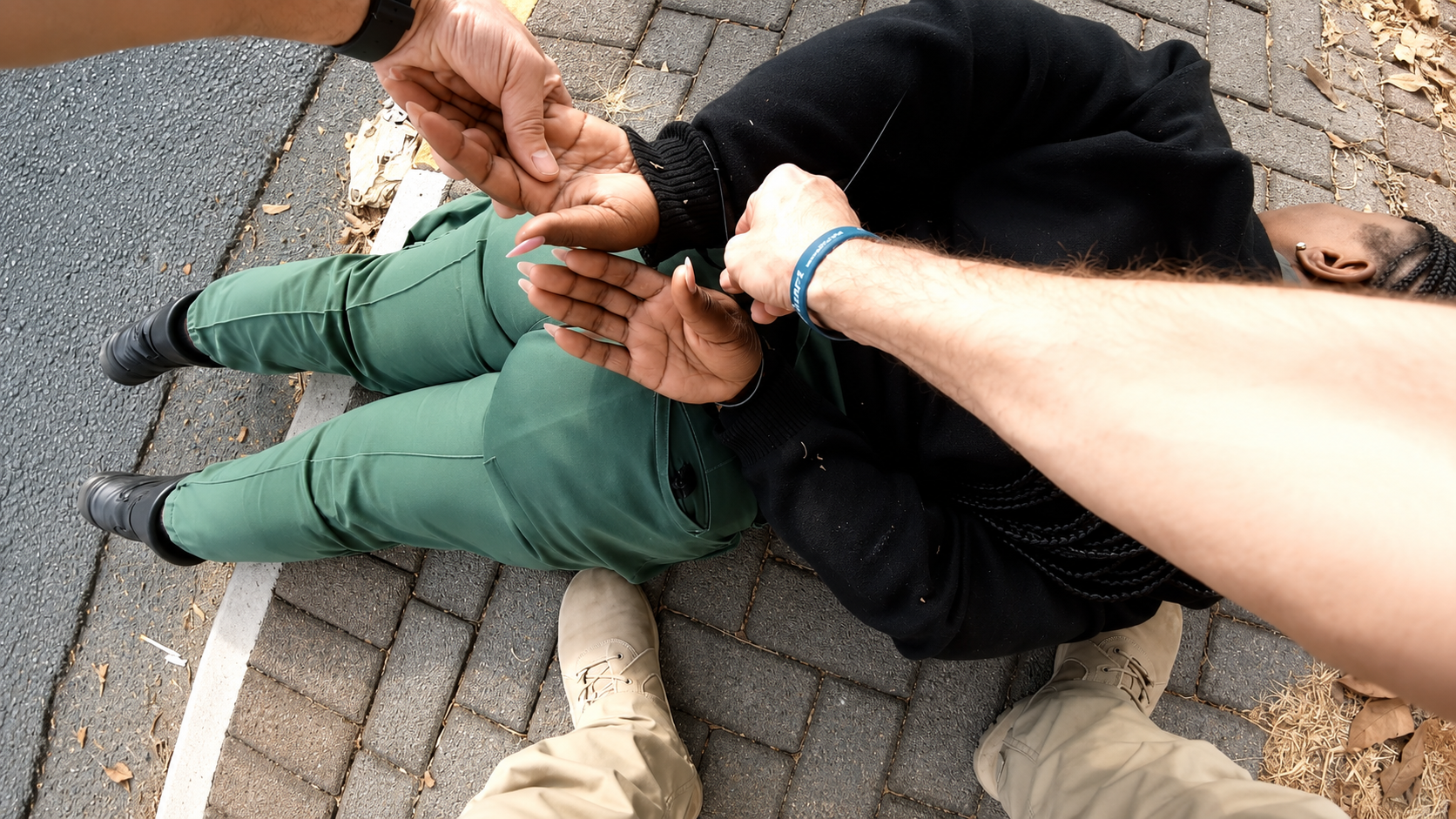
Information was gathered, pieced together, and acted on. NoJack operatives moved in, located the pair, and held the line on the ground until they could be handed to the relevant authorities. The arrests followed. They picked the wrong victim — and it cost them their freedom.
What this means for you
From a NoJack Operations standpoint, this case is a textbook example of a threat we work against every day: criminals impersonating authority to control and exploit their targets. A few field-tested principles worth carrying with you:
Real officials follow rules you can verify. Legitimate enforcement does not drive you to an ATM, pocket cash, or seize your passport on the roadside. If money changes hands informally, it is not a fine — it is a robbery.
Never move to a second location. The danger spikes the moment someone tries to get you into their vehicle. A fine can be settled lawfully later; your safety cannot be refunded.
Detail is a weapon. Faces, descriptions, vehicle make, colour and registration — that is what turns a complaint into an arrest. Information is exactly what took these two down.
You are not powerless. What ended this operation was not luck. It was a network that paid attention and refused to look away.
No one is above the law
Whether they are wearing a real uniform or merely pretending to have authority, those who prey on innocent people should expect to be held accountable. This case proves it can happen — and that the predators who bank on silence are betting against the wrong crowd.
At NoJack, protecting our people, our clients and our communities is not a slogan. It is the operation.
Author
NoJack Operations
Reporting from the NoJack command desk.
Filed Under